Operation Harpoon
11-13 September 2026: 36H Combat Mission, Catterick OBUAOperation Harpoon
11-13 September
36HR Combat Mission
Catterick OBUA
Location: Kinshasa: Democratic Republic of the Congo
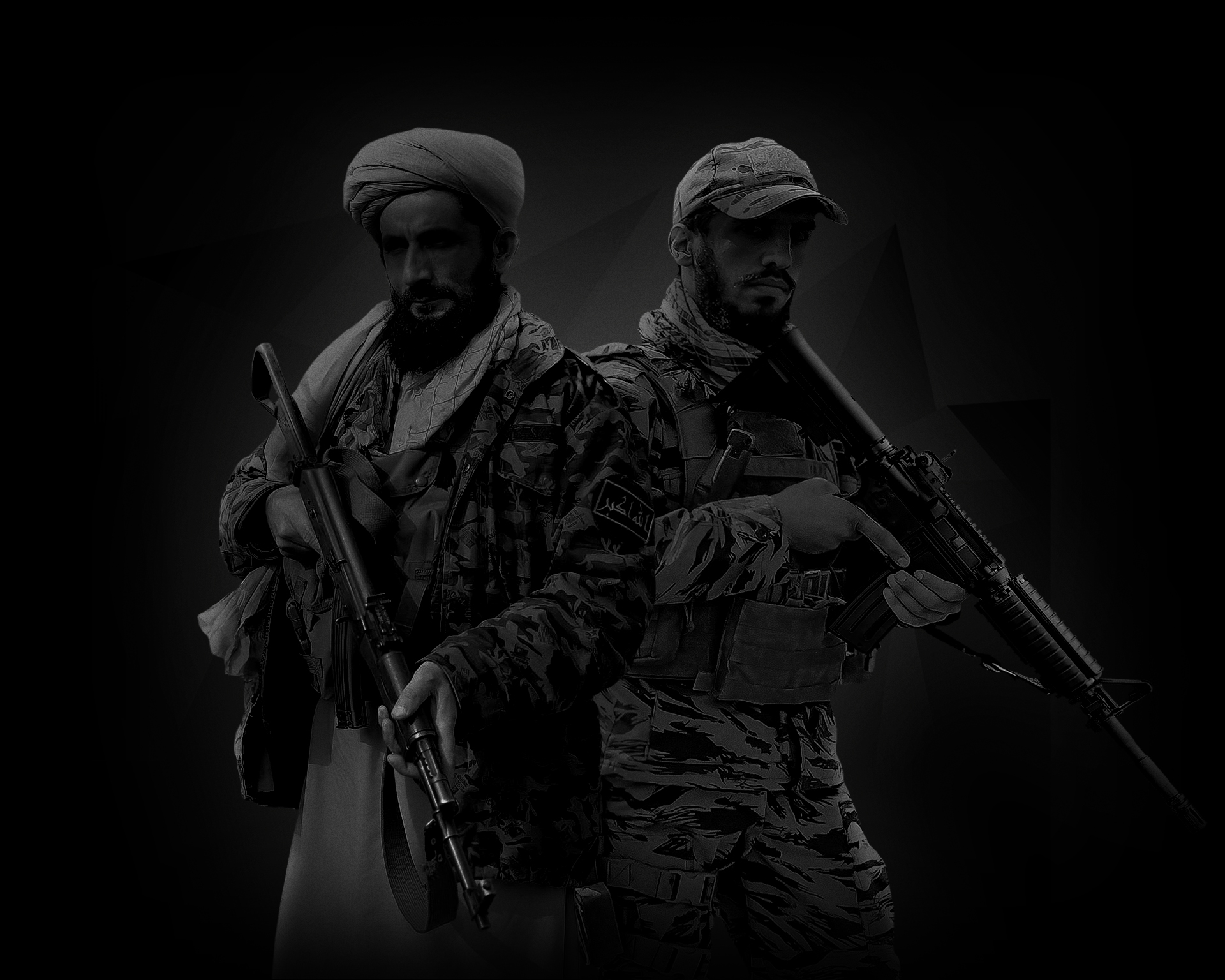
In May 2026 the Democratic Republic of the Congo entered its deepest political crisis in decades when a faction of senior military officers launched a coup against the elected government. The officers, calling themselves the National Stability Council (NSC), accused the government of corruption, economic mismanagement, and failing to control armed groups operating across the eastern provinces.
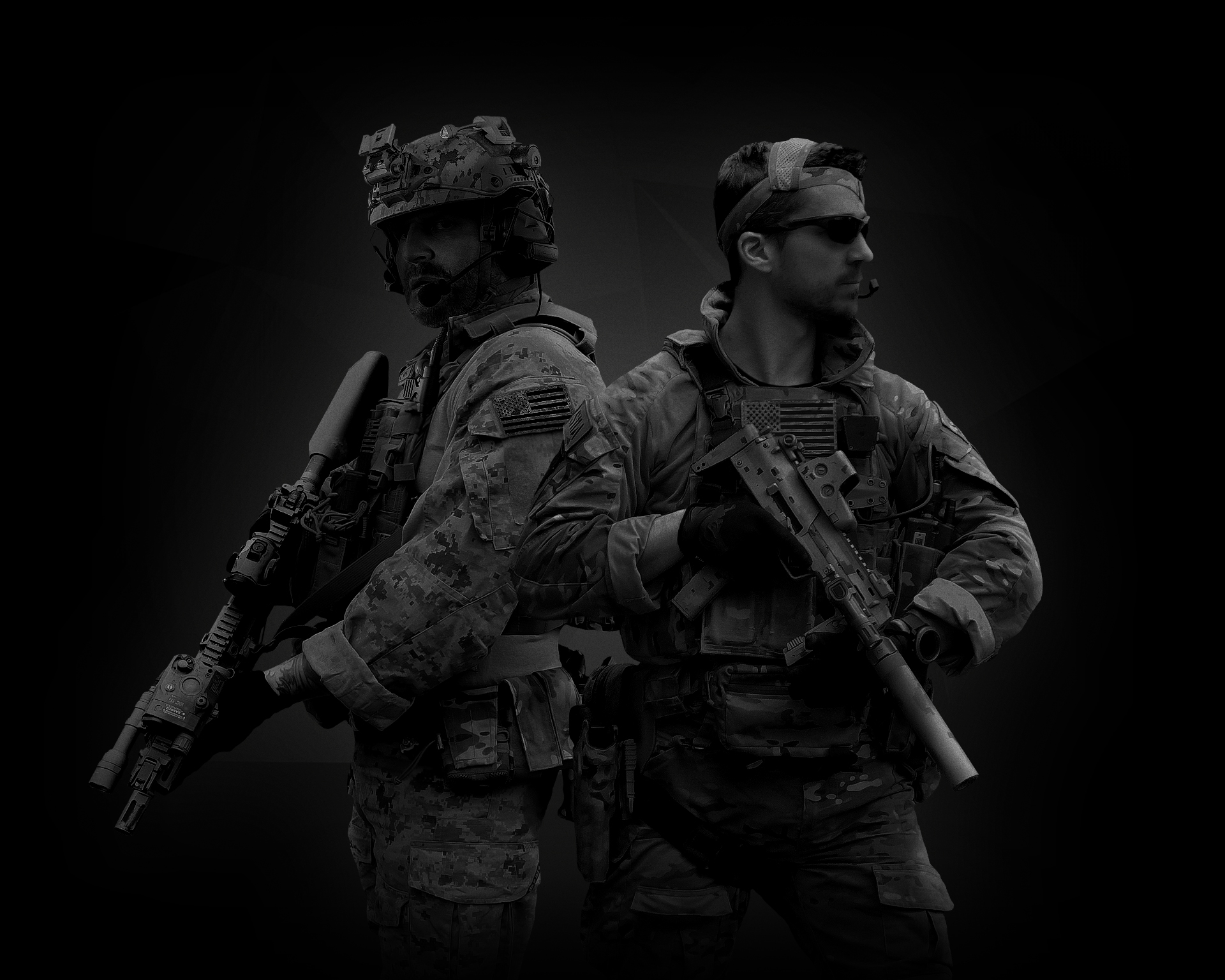
Initially, the coup leaders believed control of the country’s vast mineral wealth would provide the financial foundation needed to consolidate power. Their strategy focused on securing key mining regions in Bulungo and the copper-cobalt belt. However, many of the largest mining operations were protected by a private military contractor known as Strategic Solutions, a British PMC employed by a consortium of foreign and domestic mining companies.
The NSC expected local military garrisons to support their takeover and anticipated little resistance around major mining facilities. Instead, Strategic Solutions refused demands to hand over security control of several strategic sites.
Over the course of three weeks, clashes erupted around mining hubs, airfields, and logistics corridors. While the PMC lacked the manpower to hold large territories, it successfully protected critical infrastructure and evacuation routes. Several mining companies suspended operations and began airlifting foreign personnel out of the country.
The NSC’s inability to seize the mines created an immediate funding crisis. International markets reacted sharply, cobalt exports collapsed, and government revenues plummeted. Rather than securing a quick victory, the coup leaders found themselves engaged in a costly and expanding conflict.
The failure in the mining regions exposed divisions within the Congolese military. Several brigades remained loyal to the elected government, while others declared neutrality.
Provincial governors began forming local defence forces. Former rebel groups saw opportunities to expand their influence. What had started as a military coup was rapidly transforming into a nationwide power struggle.
As the conflict widened, both the government and the NSC accused Strategic Solutions of effectively becoming a third armed actor. The company denied any political role, insisting it was protecting contracted facilities and personnel.
By July the conflict has reached the capital.
Kinshasa has become divided into zones controlled by competing forces:
- Government troops hold the presidential district and several military bases.
- NSC forces control parts of the airport complex and key transportation routes.
- Local militias have established checkpoints throughout residential neighbourhoods.
- Police units fractured, with some supporting the government and others aligning with the coup leaders.
The city has descended into chaos.
Heavy fighting has erupted around government ministries, television stations, and communication hubs. Power outages became routine. Banks have closed. Food supplies have dwindled as transport routes from the provinces are disrupted.
Neighbouring countries have closed borders and began reinforcing their own security forces. The African Union called for an immediate ceasefire, while the United Nations debated emergency intervention measures.
Foreign governments have evacuated diplomats and citizens. Rumours spread that regional powers were secretly backing different factions, though evidence remained unclear.
Meanwhile, Strategic Solutions found itself under increasing pressure. Some governments have demanded the PMC withdraw entirely, while mining companies argue that abandoning the sites will leave billions of dollars of infrastructure vulnerable to seizure or destruction.
By August, The NSC control significant military assets but lack stable revenue.
The government has retained international recognition but is struggling to project authority beyond pockets of territory.
Strategic Solutions still hold several mining complexes, yet its continued presence has become politically explosive but with the full backing of the elected government they remain operational and a key factor in preventing the NSC seize complete control
Kinshasa stands at the centre of the crisis: a sprawling metropolis where the outcome of the conflict would likely determine the future of the country.
The question facing every faction is no longer whether the coup would succeed or fail—but whether the Democratic Republic of the Congo will emerge as a unified state at all, or fracture into competing centres of power after months of escalating warfare.
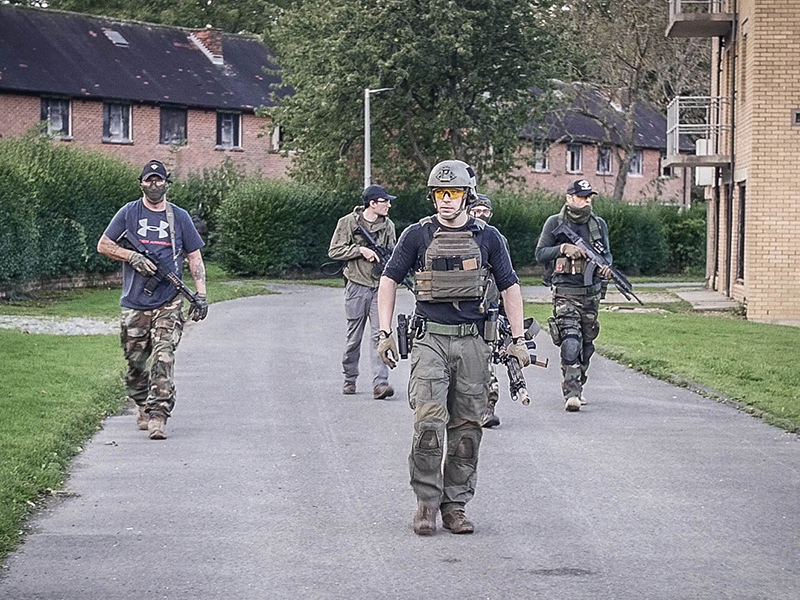
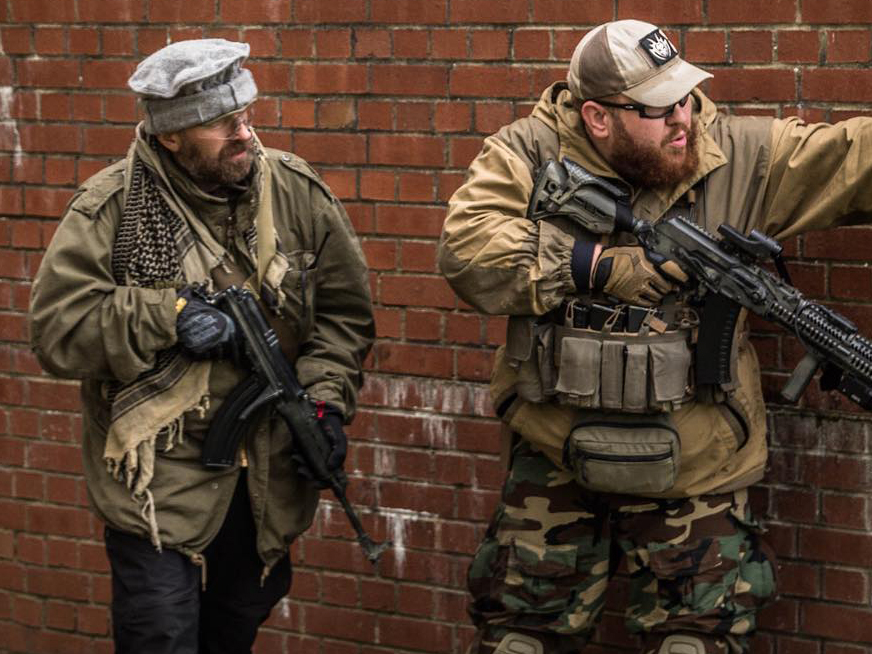
Strategic Solutions







NSC
Clothing Options






COUNTDOWN TO OPERATION
Day(s)
:
Hour(s)
:
Minute(s)
:
Second(s)
Catterick OBUA
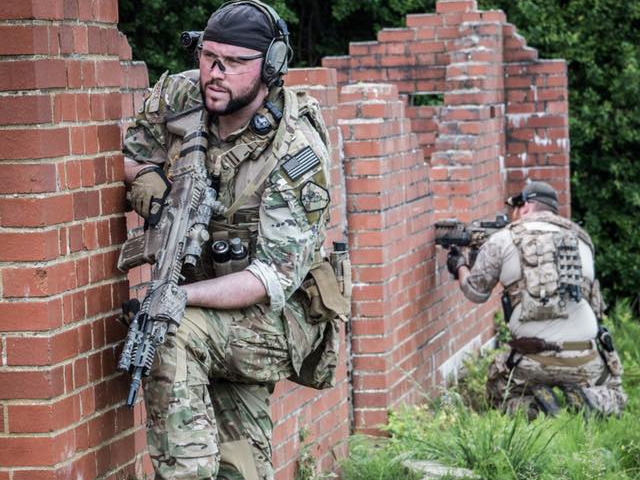
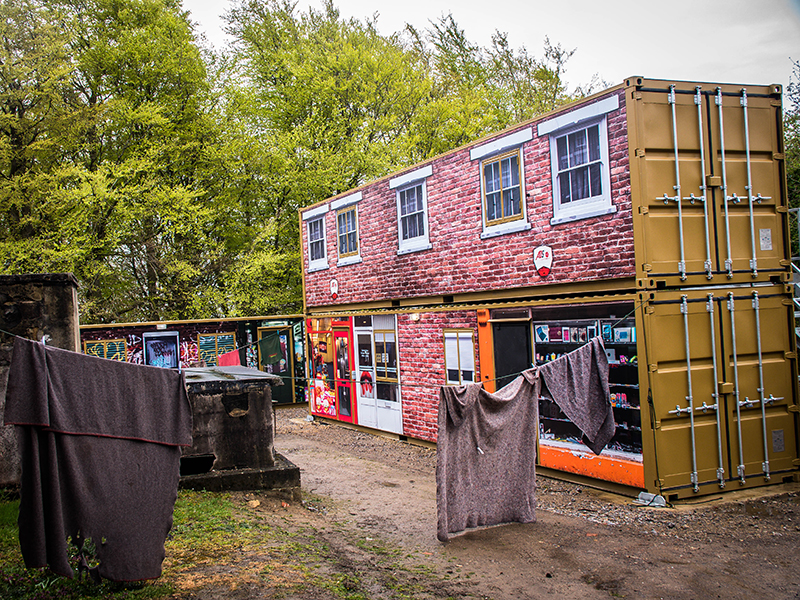
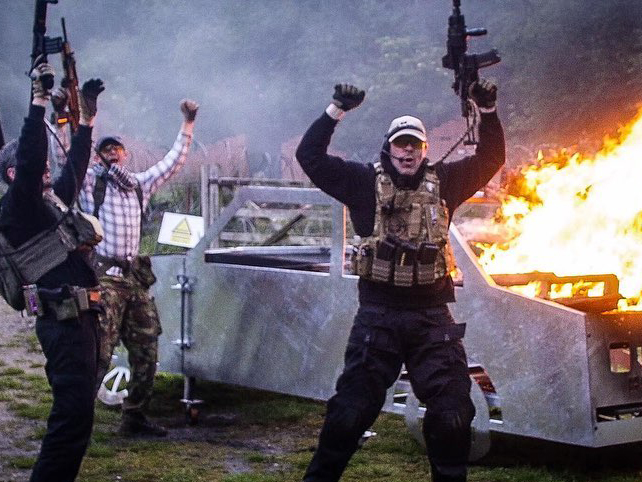
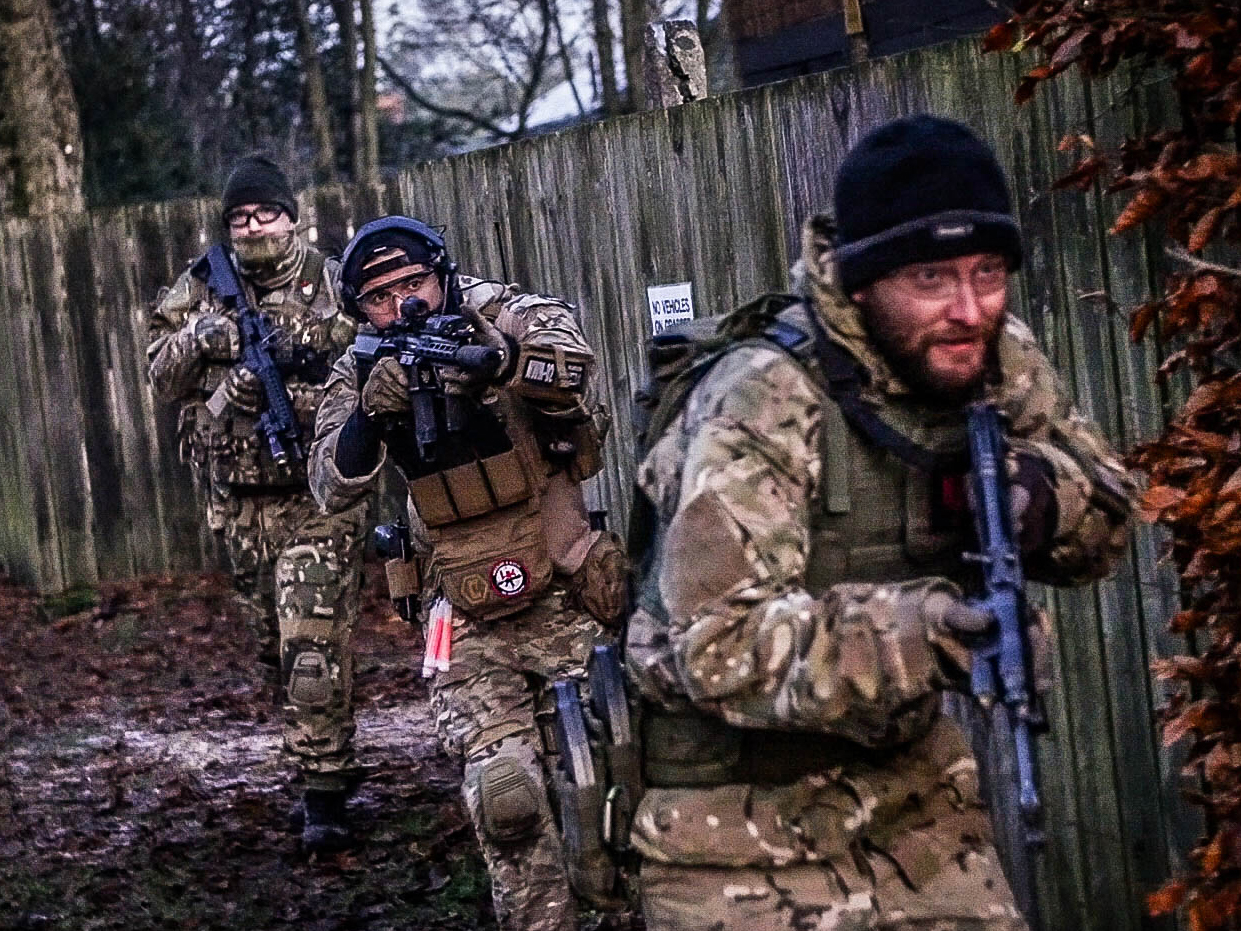
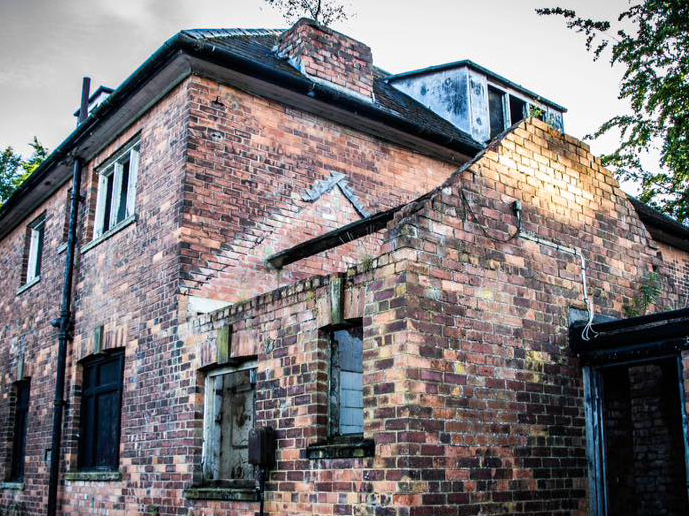
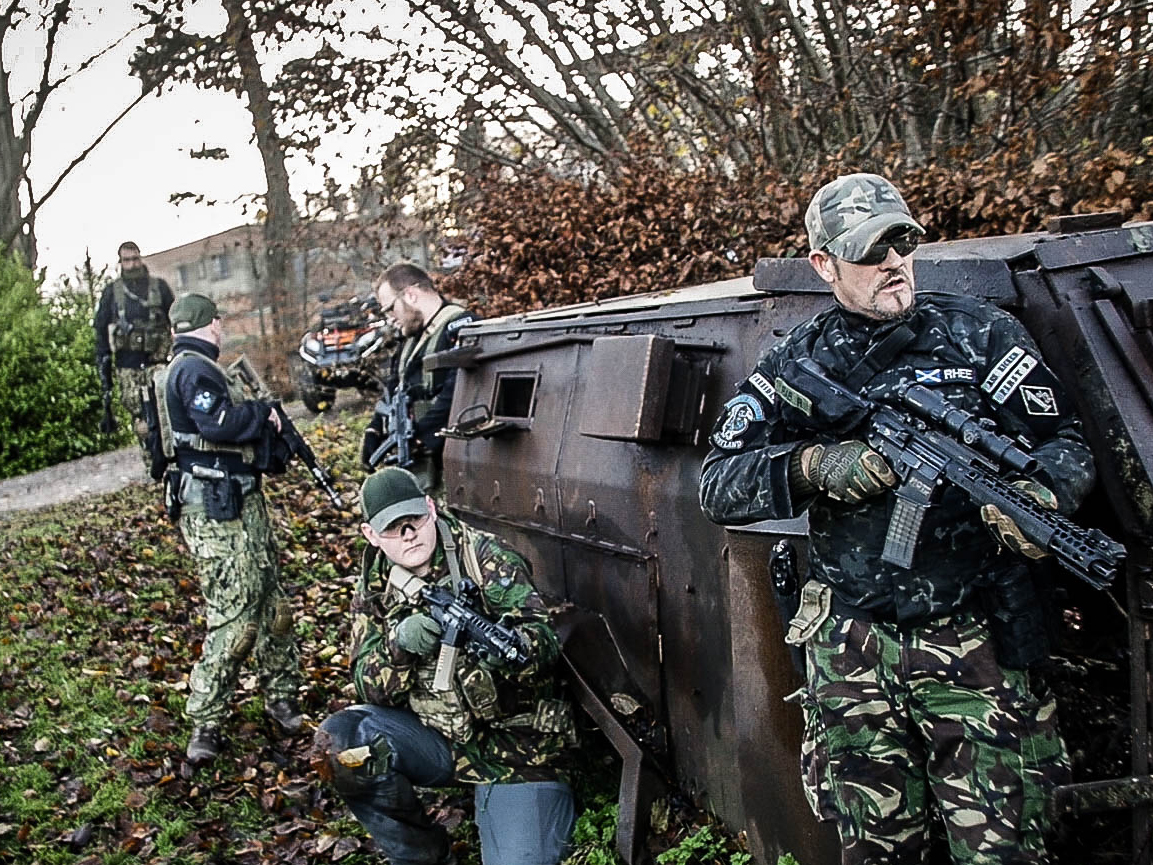
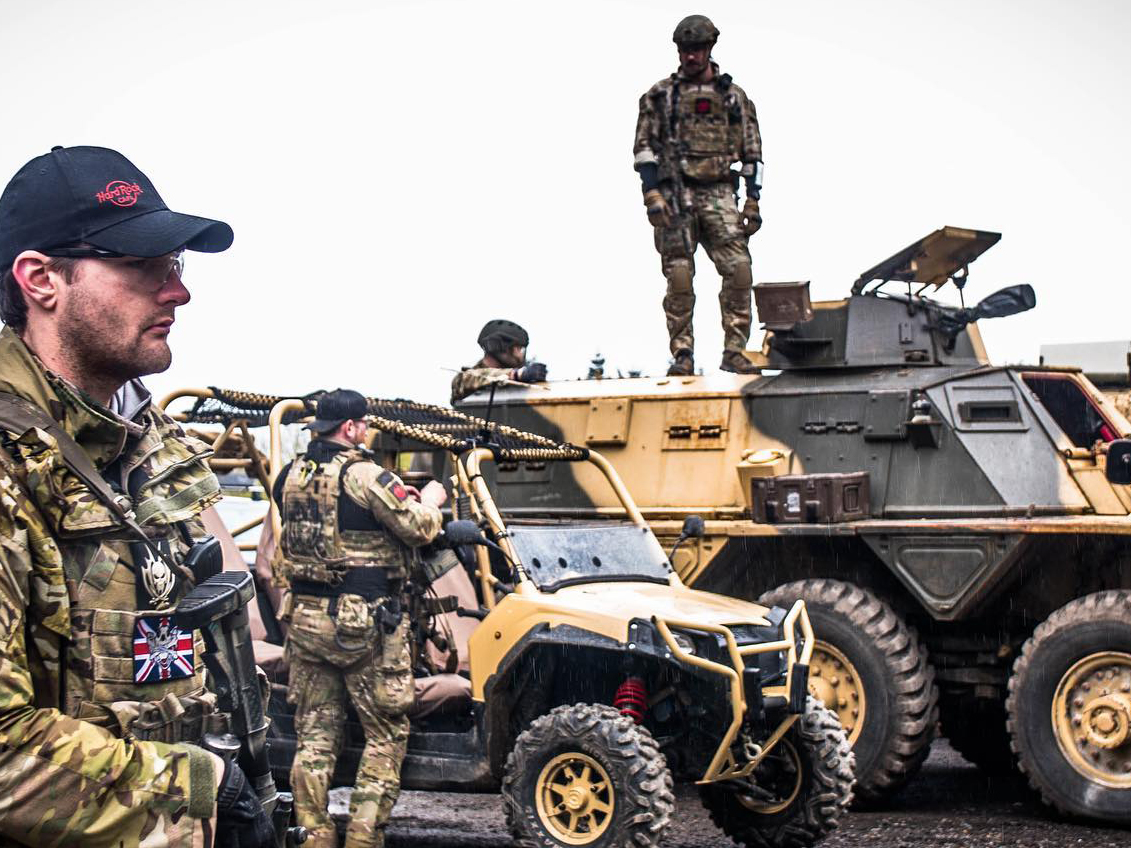
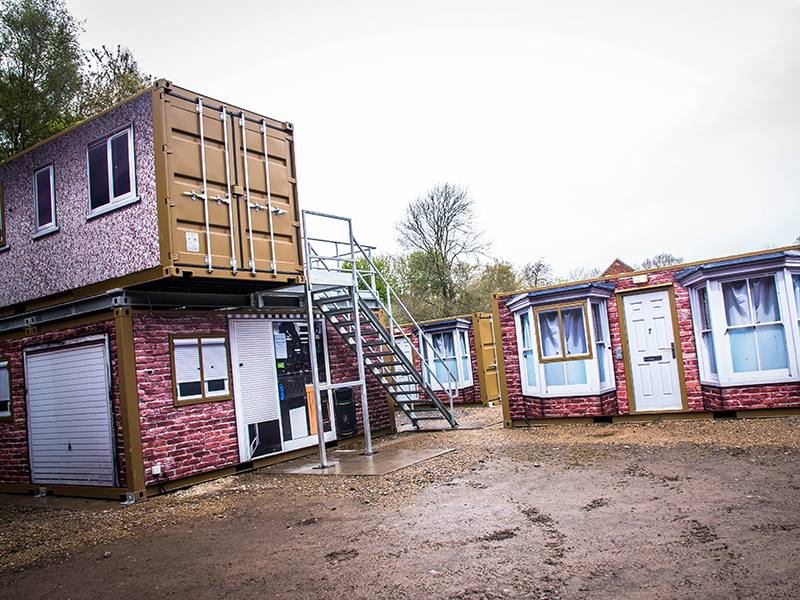
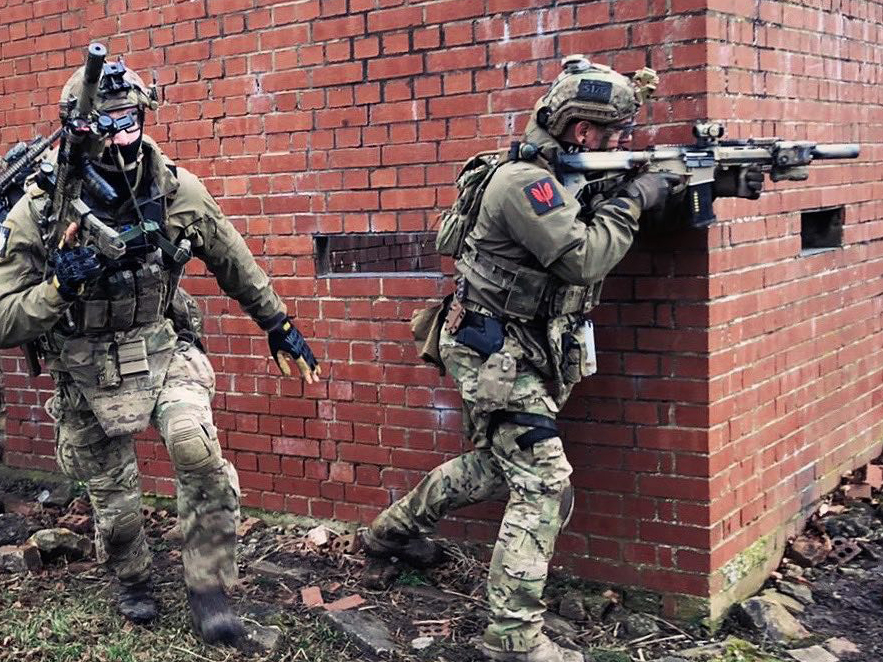
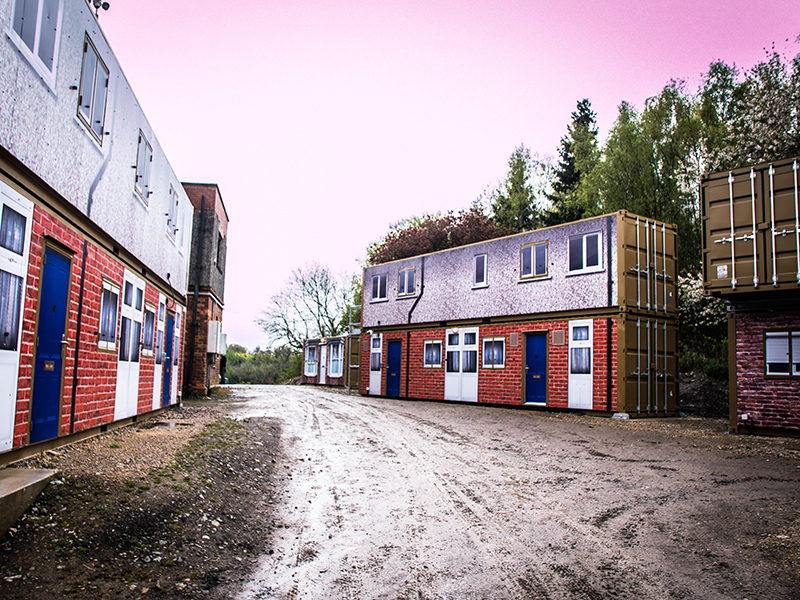
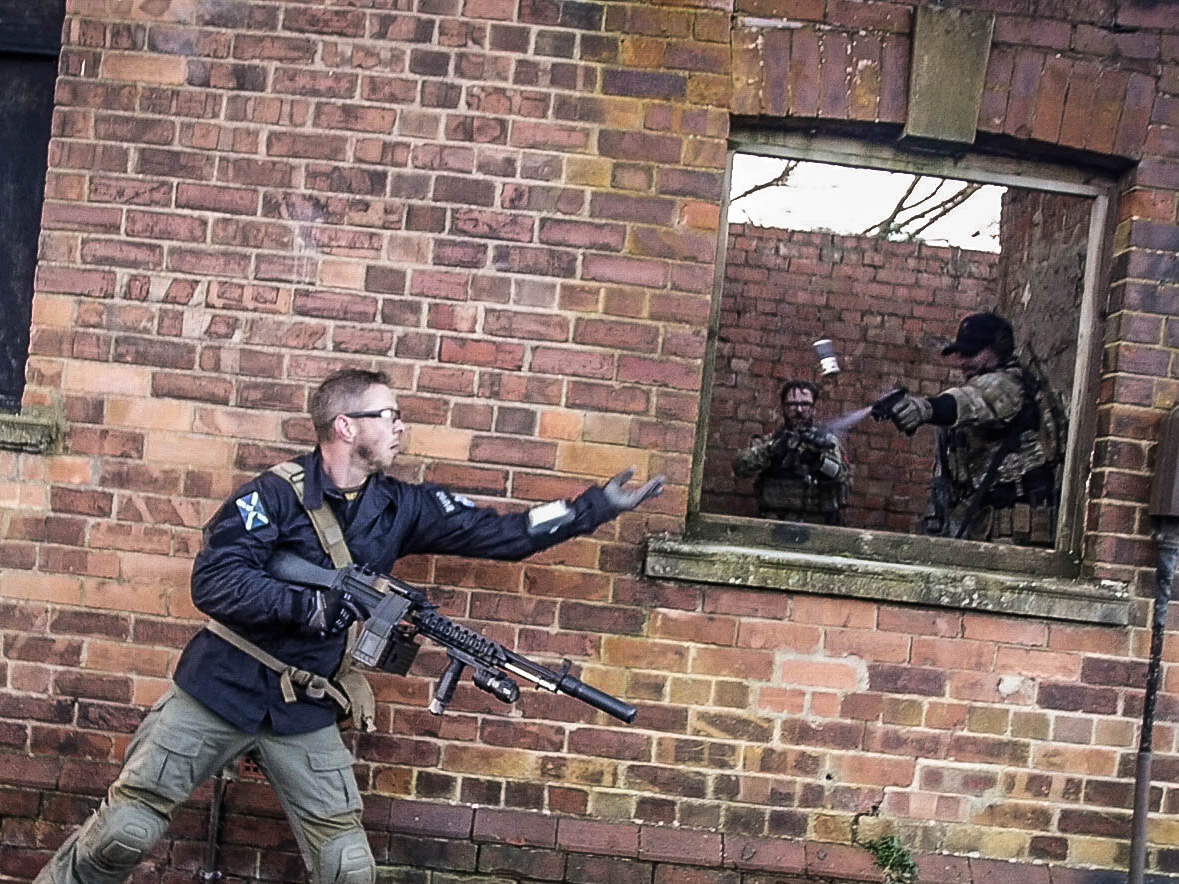
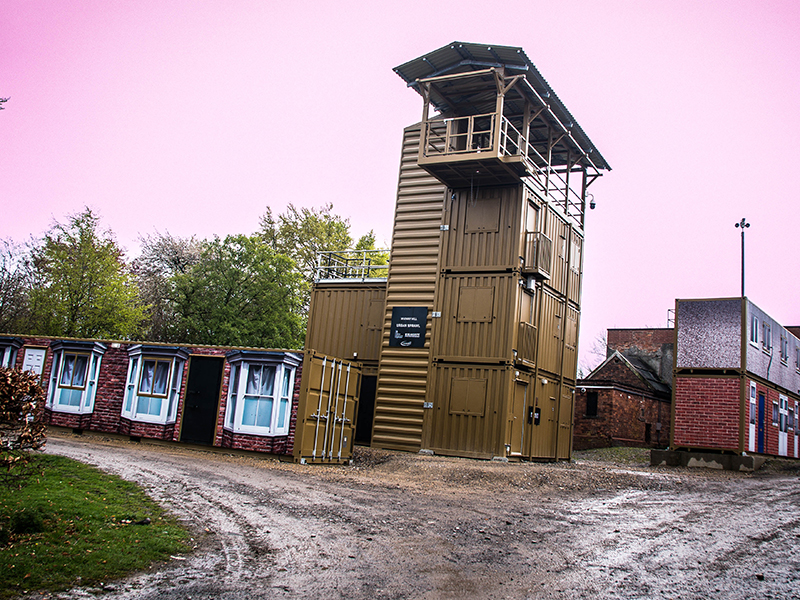
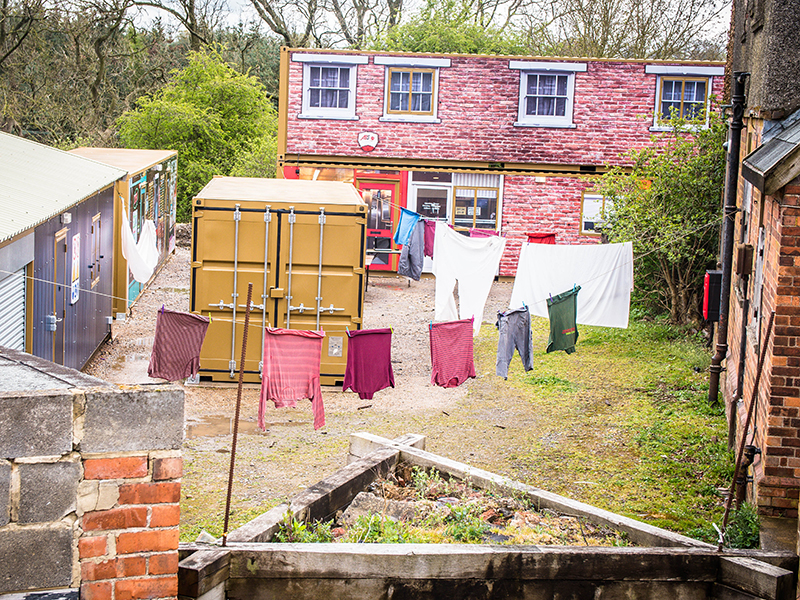
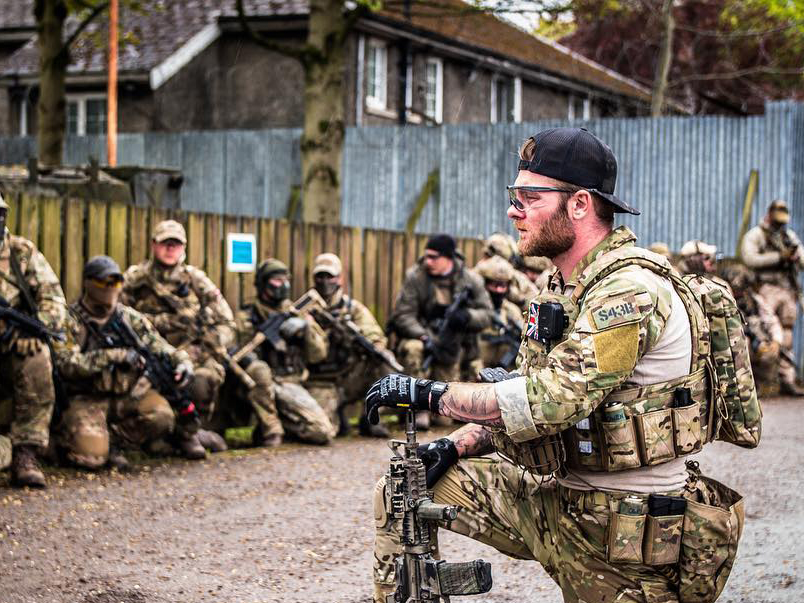
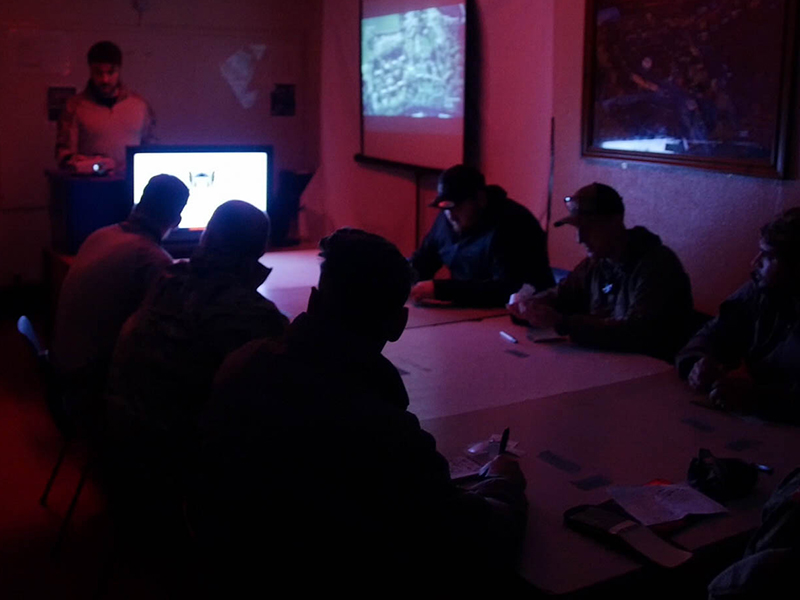
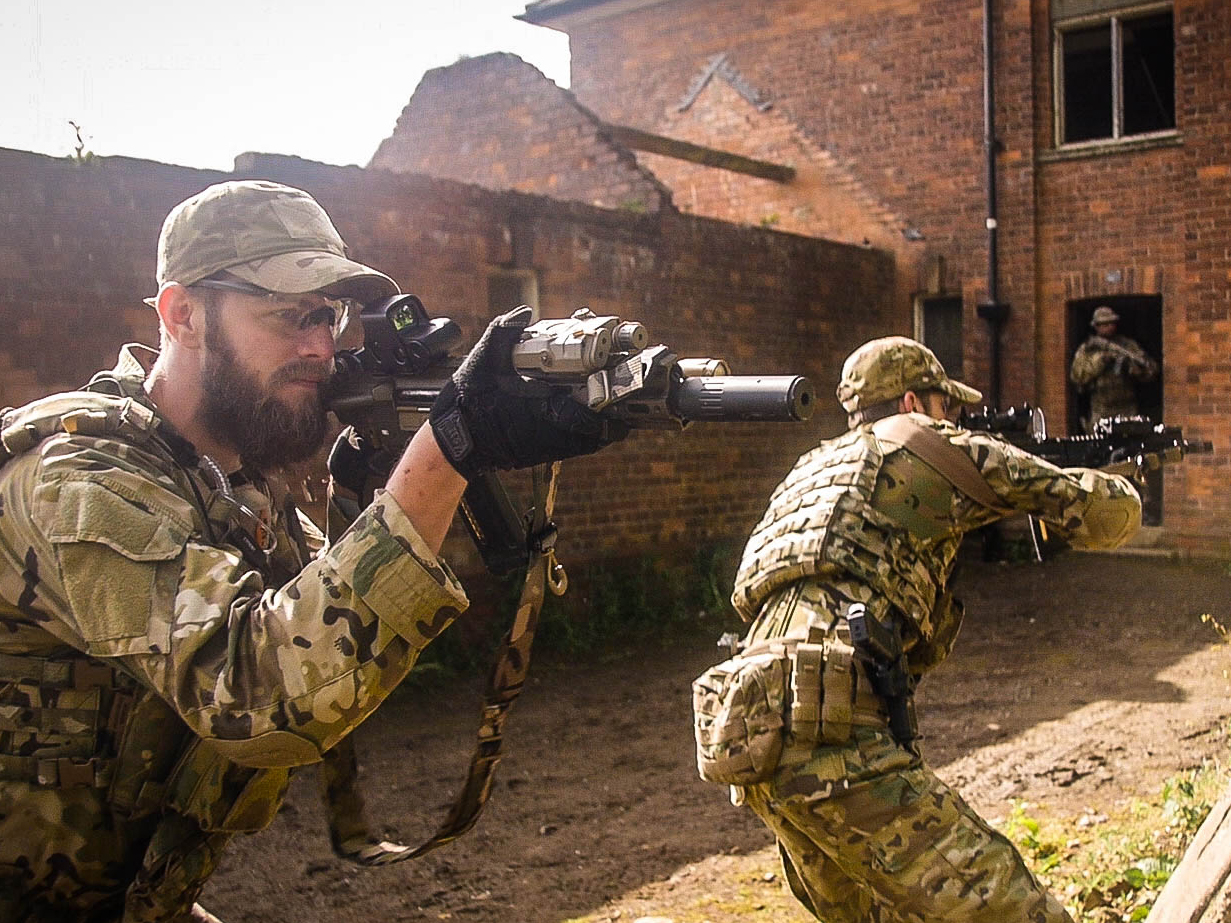
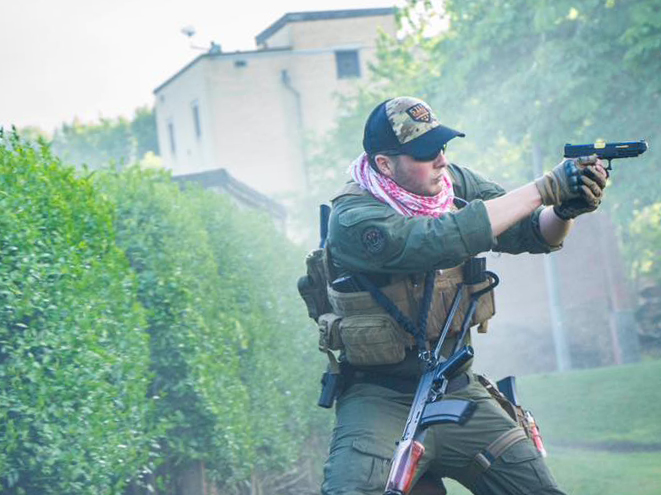
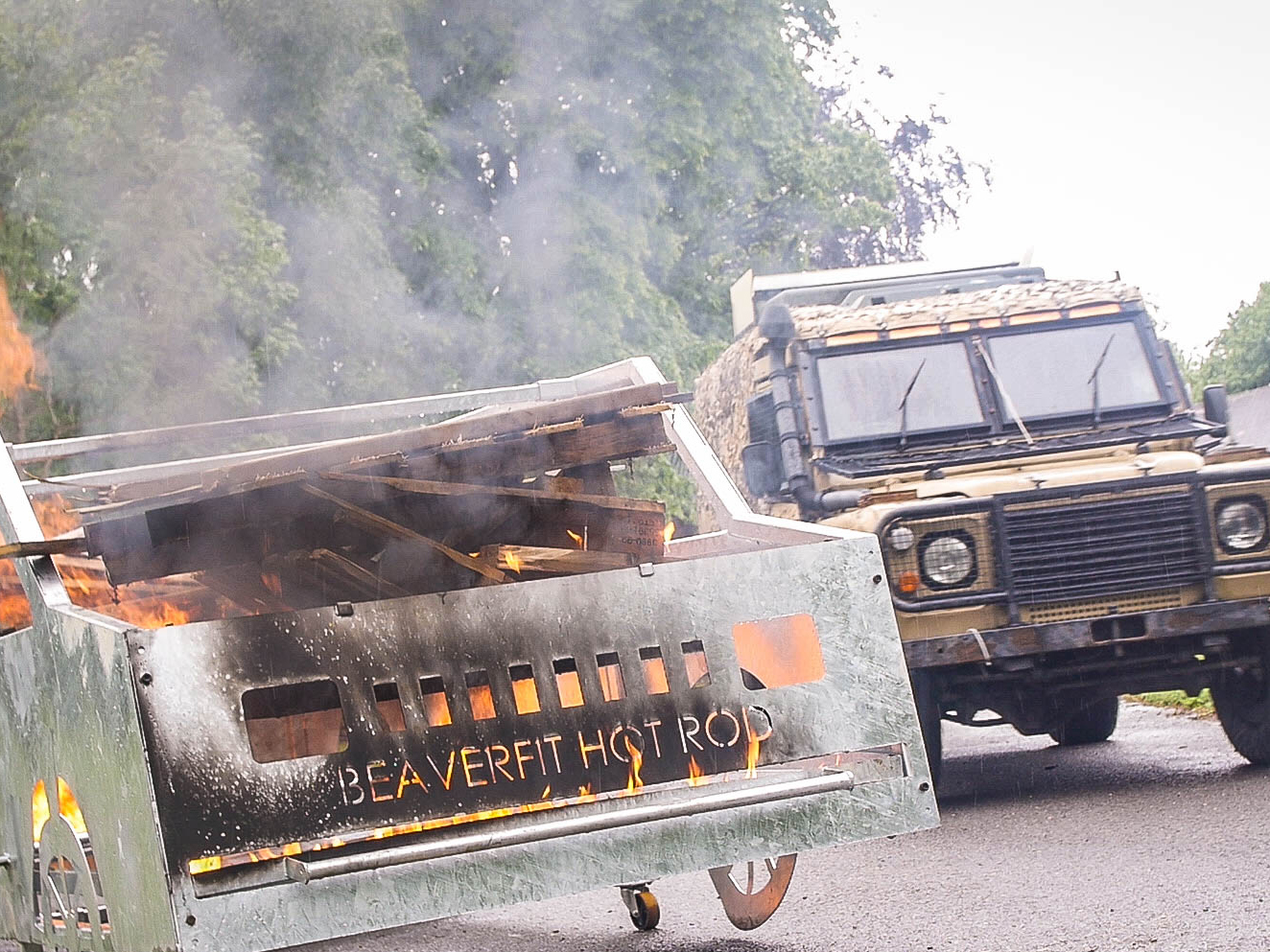
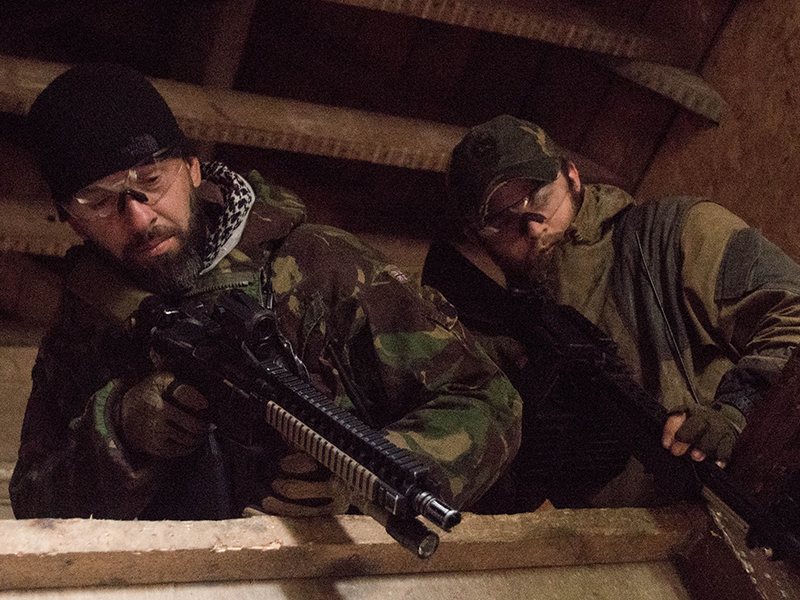
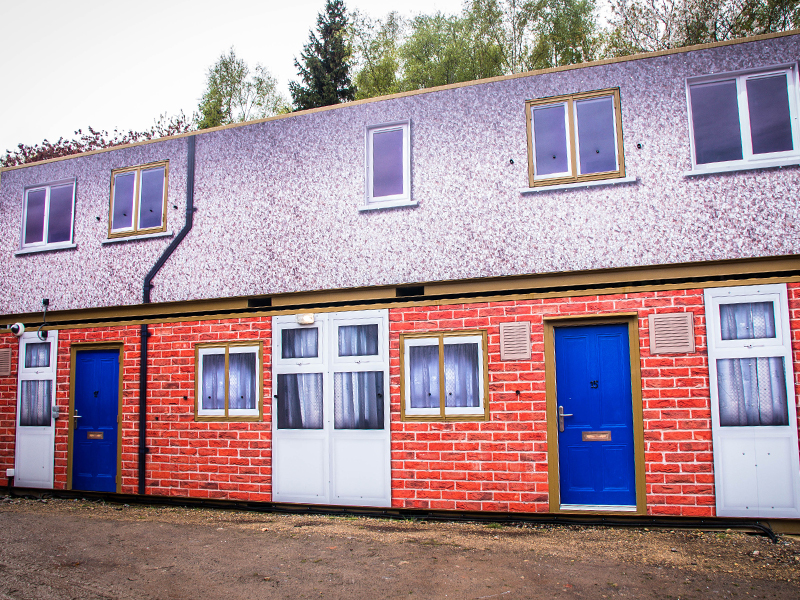
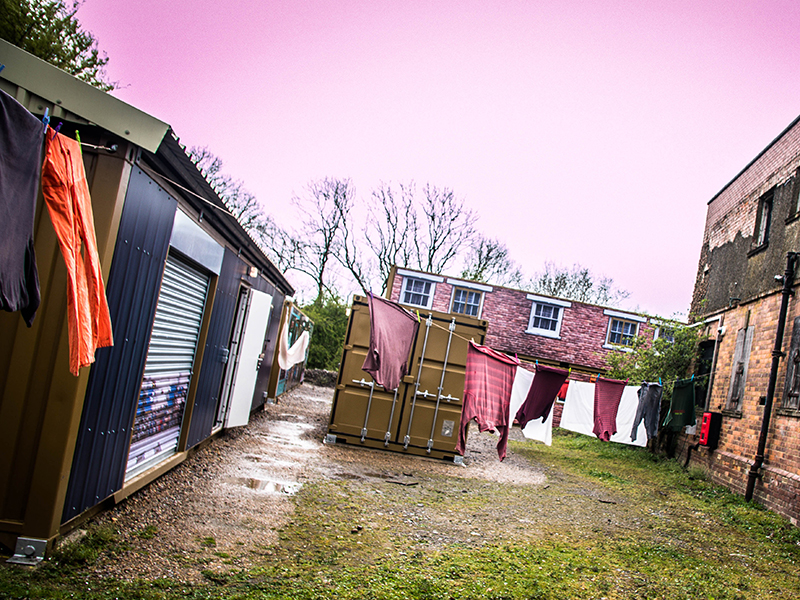
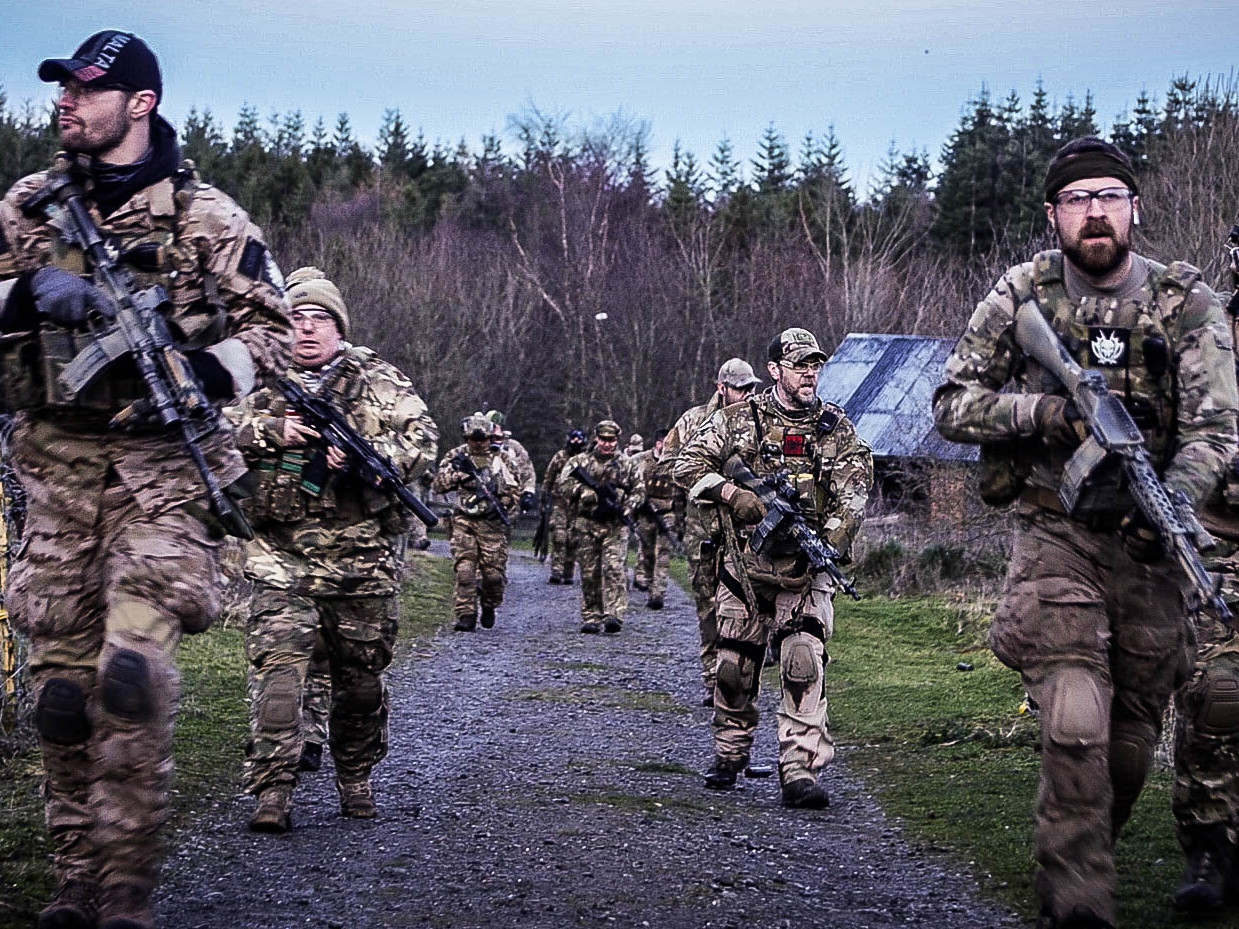
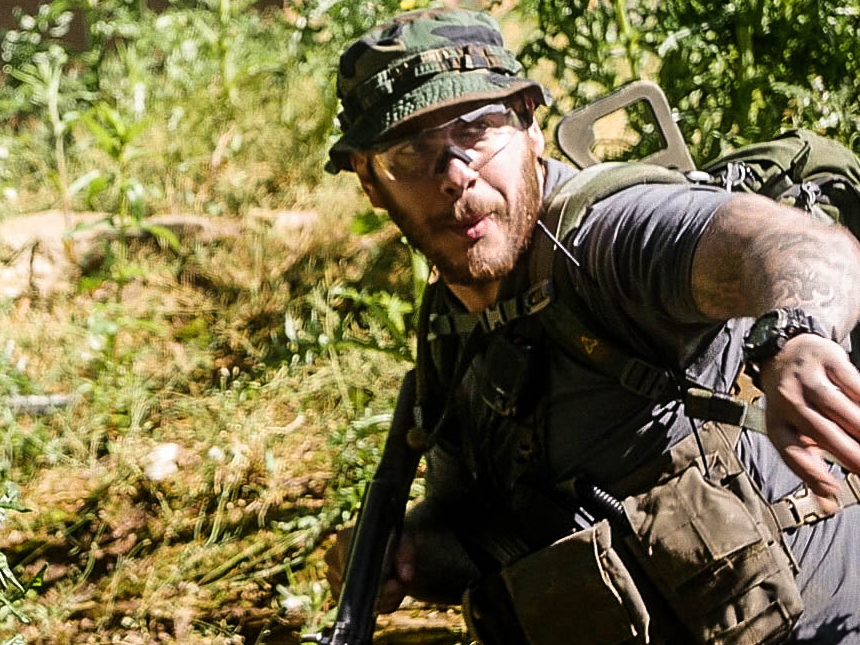
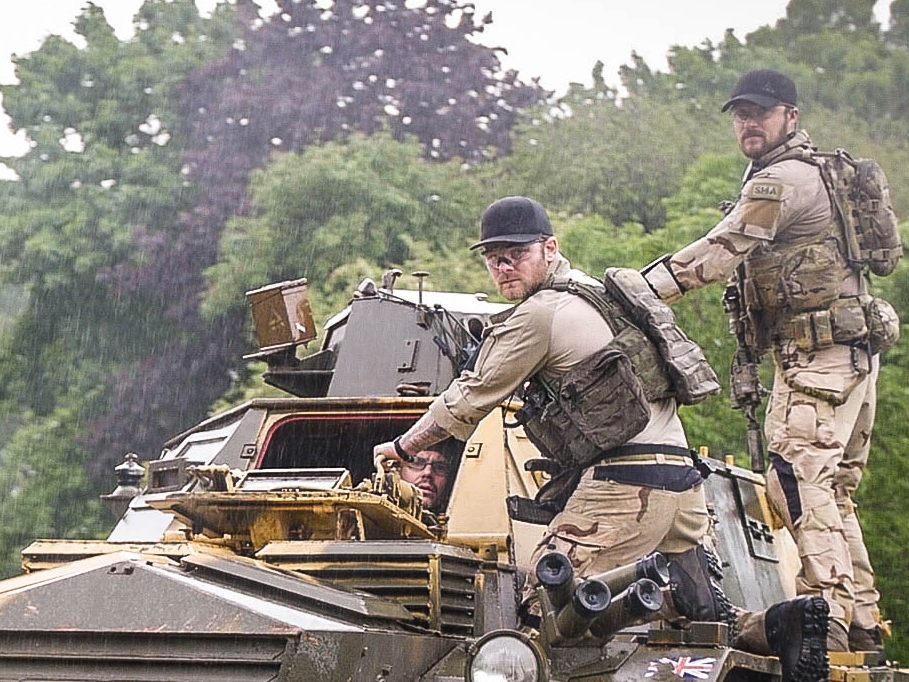
Catterick OBUA – Directions
54.359700, -1.717140 / DL9 3RH
Arrivals:
1800H-2100H 11 September
Price
– Online booking of £55 deposit (plus fees)
– Remainder to be paid on arrival
2026 Events
Below is a list of dates for our events. Please note these dates are subject to change due to Operational Training and MOD restrictions.
- Urban Warfare Training: 16-18 January 2026: The Alpha
- Operation Cardinal: 7-8 February 2026: Combat Mission, The Trees
- VBSS Training: 21-22 February 2026: The Ship
- Operation Pike: 14-15 March 2026: Themed Game, Catterick OBUA
- Operation Compass: 10-12 April 2026: 36HR Combat Mission, The Trees
- Operation Highworth 5: 24-26 April 2026: 36HR Combat Mission, Catterick OBUA
- Operation Lightfoot: 14-17 May 2026: 4-DAY Combat Mission, The Trees
- Stirling Selection: 29-31 May 2026: The Valley
- Operation Tombola: 13-14 June 2026: Themed Game, Catterick OBUA
- Operation Dunlop: 3-5 July 2026: 36HR Combat Mission, The Trees
- Operation Highworth 6: 17-19 July 2026: 36HR Combat Mission, Catterick OBUA
- Special Event: 21-23 August 2026, Location Redacted
- Operation Harpoon: 11-13 September 2026: 36HR Combat Mission, Catterick OBUS
- Operation Corkscrew: 25-27 September 2026: 36HR Combat Mission, The Trees
- Operation Gymnast: 10-11 October 2026: Themed Game, Catterick OBUS
- Operation Pinpoint: 6-8 November 2026: 36HR Combat Mission, Catterick OBUA
- Operation Chaucer: 21-22 November 2026: Combat Mission, The Trees
- England v Scotland 2026: 4-6 December 2026
Event Rules
Below is a short summary of our rules. A full briefing will take place at events to cover additional rules.
FPS Limits
- All semi & full auto weapons: 370 fps
- Bolt action weapons: 500 fps (from 25 metres minimum)
- All FPS limits are with .20 bbs
Ammo Rules
- Rifles: Mid Caps
- Support Weapons: Box/Drum magazines
- Loose ammo and speed loaders allowed
Safety Rules
- No blind firing - you must be able to see what you are shooting at
- Eye protection must be worn at all times in game area
- Protective footwear must be worn - no trainers
- Gloves and protective head/face wear recommended
- Do not under any circumstances, pickup any pyro that has been ignited. This poses a serious health risk
Medical
- Notify staff of any medical conditions or medication you may be taking
- Medication must be kept in your top left hand pocket with any relevant details
Disclaimers
- Cheating or cheat calling will not be tolerated.
- Aggressive, abusive and dangerous behaviour towards other players or staff, or any repeated breaches of the rules will not be tolerated and will result in expulsion from the site.
- Filming or recording using smartphones, GoPros or other digital video recorders is strictly prohibited at Ministry of Defence sites.
- You are responsible for your own kit. Stirling Airsoft Ltd cannot be held responsible for kit lost, stolen or damaged.
- Stirling Airsoft Ltd reserves the right to refuse entry to, or remove from the event, any person(s) who is under the influence of alcohol or illegal substances.
- As of 1st January 2023, smoking and the use of tobacco products will not be permitted anywhere on MOD sites as per new rulings from the MOD. Vaping is allowed within specific areas and will be highlighted in our game briefs. We kindly ask all customers to adhere to this ruling.
- All players attending Stirling Airsoft events must be over the age of 18, unless accompanied by a playing guardian and have prior agreement from Stirling Airsoft ahead of booking.
Event Information
Stirling Airsoft events follow an ever-developing, dynamic and realistic storyline, known as All Out War (AOW). The outcome of each event changes this storyline from the smallest of details to the overarching plot and setting of each event. The story is based on, and entwined with, real world situations to achieve an optimum level of realism and immersion. Despite the dynamic story, none of our events are ever scripted and everything that takes place within the game is organic.
There are a few different types of events that follow the All Out War storyline: Combat Missions, Roleplay Events and Themed Games. See below for more information on each type of event.
Combat Missions
Combat Missions are the original bread and butter of Stirling Airsoft, taking place at OBUA and woodland sites across the country. Not for the faint-hearted, these are our most physically and mentally challenging events. Combat Missions don’t stop for the duration and are usually “hard routine”, as real as it gets. During the event, customers will be tasked with a huge range of realistic missions and objectives, dependant on which faction they choose to book up on.
Roleplay Events
Roleplay Events are similar to Combat Missions in that the event runs straight through the weekend, however these events usually have much higher player numbers to feature prominent insurgent gameplay styles and civilian interaction and roleplay. Our Roleplay Events are usually run at one of the UKs main MOD OBUA sites, and the featured scenario is regularly the flashpoint in the AOW storyline for each year.
Themed Games
Themed Games are regularly ran at Stirling Airsoft’s exclusive OBUA site at Catterick Garrison*. These games always have a backstory to complement the AOW storyline but are more of a straight up fight, with gameplay ending Saturday night and starting again on Sunday morning. Themed Games definitely cater for those who are new to Stirling events.
*Exclusively to Catterick, accommodation in heated barracks is available on checkout for an additional £5, otherwise customers will be housed in a barn with mains power access.
Kit Requirements
The booking section shows suggested loadouts and camouflage options for each faction. While we allow for some flexibility with loadouts based on personal preference, camouflage rules are strict and you will be asked to change clothes if seen in violation of those rules. If you have any questions regarding loadouts and camouflage rules, please contact us beforehand.
Below is a list of the kit requirements for our events. Note that depending on the location of the event, the requirements may differ slightly, however this list covers all necessities.
Items marked with * are compulsory based on government advice on the current COVID-19 health crisis.
Sleeping Equipment & Field Gear
- Sleeping Kit (Bag, Bivi, Mat, Basha)
- Tent & Camp Bed
- Wash Kit & Toiletries*
- Personal First Aid Kit*
- Toilet Paper*
- Entrenching Tool/Folding Shovel
- Food & Water (For 24+ hours, 3L water a day minimum)
- Brew Kit/Cooking Kit
- Toolkit & Batteries
- Rubbish/Refuse Bags*
Personal Equipment & Clothing
- Uniform/Clothing (must meet requirements for the event)
- Boots (no trainers)
- Combat Kit (Webbing/Vest)
- Weapons (Airsoft)
- Warm & Wet Weather Kit
- Bergen/Backpack
- Eye Protection (must be ballistic rated)
- Ear Protection
- Navigation Kit (Map, Compass)
- Waterproof Map Case
- Notepad & Pen/Pencil
- Torch & Lightsticks
- Hand Sanitiser* (70% alcohol based gel)
- Disinfectant/Alcohol wipes*
- Face Covering/Mask*: (Must cover nose and mouth and be suitable for physical activity. Replacements are often required over time so bring several alternatives/changes)
Our Affiliates
Stirling Airsoft has long established links with UK and Europe based companies in the airsoft event and tactical kit industries. If you are interested in working with us please get in touch. Below is a list of our current affiliate companies.